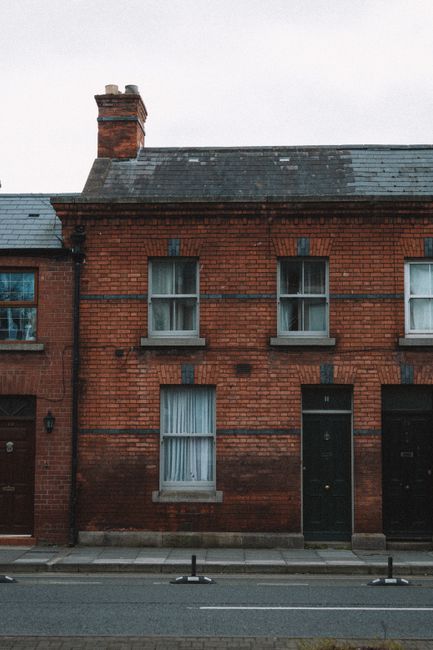
Cardiff CF10 removals guide for terraced houses
Moving out of a terraced house in CF10 can feel simple on paper, then suddenly very complicated the moment a sofa meets a narrow hallway or a parking bay disappears. That is exactly why this Cardiff CF10 removals guide for terraced houses exists. It walks you through the realities of moving in this part of Cardiff: tight streets, limited frontage, awkward staircases, neighbour access, and the sort of small details that make a big difference on moving day.
If you are planning a home move and want fewer surprises, better timing, and a calmer start to the day, you are in the right place. We will look at how terraced-house removals usually work, what to prepare, how to avoid common mistakes, and when a specialist team or a flexible man and van service may be the better fit. A little preparation goes a long way. Honestly, it can save hours.
There is no magic to it, but there is a method. And in a place like CF10, method matters.
- Fast answer: terraced-house moves in Cardiff CF10 are easier when you plan access, packing, parking, and lift-free handling well before the van arrives.
- Best result: choose a removal setup that matches your property layout, volume of belongings, and street access.
- Most common headache: underestimating how long it takes to move furniture through narrow internal spaces.
Before we get into the detail, it may help to explore the wider service pages for home moves, house removals, or the broader range of removal services if you are comparing support options.
Table of Contents
- Why Cardiff CF10 removals guide for terraced houses matters
- How Cardiff CF10 removals guide for terraced houses works
- Key benefits and practical advantages
- Who this is for and when it makes sense
- Step-by-step guidance
- Expert tips for better results
- Common mistakes to avoid
- Tools, resources and recommendations
- Law, compliance, standards, or best practice
- Options, methods, or comparison table
- Case study or real-world example
- Practical checklist
- Conclusion
- Frequently asked questions
Why Cardiff CF10 removals guide for terraced houses Matters
Terraced-house moves are not just smaller versions of full-house moves. They are their own thing. In CF10, the biggest challenge is often not the number of boxes; it is the physical environment. You may have a shared pavement, limited kerb space, a narrow entry path, stairs that twist sharply, or a front room that is just a touch too snug for a large wardrobe to turn cleanly. That is where a proper removals plan earns its keep.
This matters because avoidable friction adds up quickly. One person parks too close to the entrance. A chest of drawers gets stuck on the landing. Someone has not packed fragile items properly and now the whole chain slows down. By lunchtime, the day feels longer than it should. A good terraced-house removal approach prevents those little delays from snowballing.
It also matters because moving in a busy urban area can affect more than your own schedule. Neighbours, pedestrians, traffic flow, and shared access all play a part. In practical terms, the better your move is coordinated, the less stress it causes for everyone around you. That is especially useful if you are using a local removals option near me and want a service that understands city-centre access issues without needing a long explanation.
To be fair, terraced houses are charming. They also tend to be uncompromising about where you can put a sofa.
How Cardiff CF10 removals guide for terraced houses Works
A terraced-house removal in CF10 usually follows the same broad pattern as any home move, but the planning behind each stage is more specific. First, you assess access. Then you decide what needs to be dismantled, packed, protected, or moved separately. Finally, you line up the van, the route, and the load order so the team can work without constant re-handling.
In a practical sense, the move often starts before moving day. You might need to measure furniture against doorways, check whether parking near the property is realistic, and decide whether the route from front door to van is clear enough for safe carrying. If you are hiring help, it is worth discussing whether a larger crew, a smaller vehicle, or something more agile like a moving van is the better match.
Some people assume the smallest vehicle is always the easiest option. Not always. If your terraced house has an awkward amount of furniture, too little space in the van can mean extra trips. Extra trips mean extra time. Sometimes the efficient choice is the one that looks slightly less tidy on a spreadsheet but works better in real life. Funny how that happens.
In many home moves, the best approach comes down to coordination between packing, loading, and access. If you need help with the handling itself, a house movers page can be useful when you are comparing support for a full domestic move rather than just a single item collection.
Key Benefits and Practical Advantages
When a terraced-house move is properly organised, you notice the benefits almost immediately. Things feel less rushed. Furniture is less likely to be damaged. The team can work in a clear sequence instead of improvising around blocked corridors and scattered boxes. And perhaps most importantly, you are less likely to end the day wondering where all the time went.
- Better access planning: you reduce delays caused by parked cars, tight streets, or limited loading space.
- Less handling damage: careful packing and the right equipment protect furniture, walls, and stair rails.
- More predictable timing: a good plan makes arrival, loading, travel, and unloading easier to estimate.
- Lower stress: everyone knows what goes first, what stays last, and which items need extra care.
- Safer lifting: fewer awkward last-minute moves means lower risk of strain or accidents.
There is also a practical financial angle. When you know what needs dismantling, what can be moved whole, and whether you need packing support, you can ask for a more accurate quote. That is often better than paying for guesswork. If you are still at the comparison stage, the pricing and quotes page can help you think about what is likely to affect the final cost.
And yes, cost matters. But for terrace moves, the cheapest option is not always the cheapest in the end if it creates delays, damage, or an extra van run. That bit is easy to overlook until you are halfway through the day.
Who This Is For and When It Makes Sense
This guide is for anyone moving from a terraced house or a similarly tight residential property in Cardiff CF10. That may include first-time buyers, renters, families upgrading to a larger home, downsizers, or anyone relocating within the city who wants a smoother handover from one address to another.
It makes particular sense if any of these sound familiar:
- You have narrow internal stairs or a tight turn at the top landing.
- Your home sits on a road with limited parking or busy daytime traffic.
- You own bulky furniture, awkward wardrobes, or heavy appliances.
- You need a move completed within a specific time window.
- You want packing help because the idea of wrapping everything yourself is, frankly, a bit much.
If your move is small and straightforward, something like a man with van arrangement may be enough. If it is a larger family move with more furniture, you may prefer a fuller service model, perhaps via removal company support or a dedicated removal services package.
There is no single right answer here. The point is to match the move to the house, not the other way round.
Step-by-Step Guidance
If you want a smoother terraced-house move in Cardiff CF10, break the process down into manageable stages. A move becomes much less intimidating once it stops being one giant task and starts being a list of smaller ones. Simple, but effective.
- Survey the property. Walk through every room and identify anything bulky, fragile, or difficult to carry. Check stair width, hallway corners, and door clearances.
- Measure the awkward items. Sofas, beds, wardrobes, mirrors, and appliances are usually the issue. If it looks tight, it probably is.
- Decide what to dismantle. Flat-pack beds, table legs, and removable shelves often travel better apart. Keep fixings in labelled bags.
- Plan parking and access. Think about where the van can stop, how far items need to be carried, and whether the route is blocked by bins, planters, or cars.
- Pack room by room. This makes loading quicker and unpacking less chaotic. Label boxes clearly, ideally on more than one side.
- Protect the property. Door frames, banisters, and floors deserve a little care. Blankets, covers, and floor protection can prevent regrettable scuffs.
- Load in order. Heavy and sturdy items usually go first, with lighter and fragile items secured later. No one wants a lamp crushed under a chair leg.
- Do a final sweep. Check cupboards, loft access, under beds, and behind doors. The number of socks left behind during a move is, somehow, always suspiciously high.
If you want support with packing and careful handling, take a look at packing and unpacking services. For some households, that is the part that saves the most energy, not just the most time.
Expert Tips for Better Results
Here is the kind of advice that tends to matter more than people expect.
Start with access, not boxes. It is tempting to focus on packing first, but access usually creates the real bottlenecks. If your street is tight, your van may need to be positioned carefully. If your front room has a narrow exit, a large item may need to be angled out before it can be moved at all. Access drives the rest of the plan.
Group items by difficulty. Put the awkward things together in one plan: mirrors, shelving, large furniture, white goods. That way the load order and crew effort are easier to manage. One tricky item is fine. Five tricky items in a row, less so.
Keep one "day-one" box. Put kettle, mugs, chargers, toiletries, medication, keys, and basic tools in a clearly marked box or bag. You will thank yourself around 7pm when everything else is still in stacks. Tiny convenience, huge relief.
Speak up about the stairs. If your property has steep, winding, or narrow stairs, say so early. Removal teams would rather know in advance than discover it at the front door. Nobody enjoys a surprise staircase. Nobody.
Choose the right vehicle size. A bigger vehicle can be more efficient if there is enough access. A smaller one may work better if the street is awkward. This is where removals van options can be useful, especially for lighter moves with limited loading space.
If you are moving a full household and want a slightly more robust setup, you might also compare movers and house removalists to see which style of support fits the job best.
Common Mistakes to Avoid
Terraced-house removals tend to go wrong in predictable ways. The good news is that most of them are avoidable.
- Ignoring parking realities. If the van cannot get near the door, the move will slow down. Assume the nearest space might not stay available.
- Leaving packing too late. Last-minute packing is how items get broken, forgotten, or shoved into the wrong room.
- Not measuring furniture. People often trust their eye, then discover the wardrobe is two inches too wide. It happens more than you think.
- Forgetting to label boxes. "Kitchen stuff" is not very helpful when there are twelve similar boxes.
- Skipping protection for walls and floors. One scrape on a painted stair rail can be annoying to deal with later.
- Assuming all removals are the same. They really are not. A terrace move needs a different mindset from a detached-house move.
One particularly common issue is overfilling boxes. Heavy books in a large box can be a miserable lift, and nobody wants the bottom to give way on the landing. Keep boxes sensible. Your back will appreciate it, even if your pile of "done" boxes looks slightly less impressive.
Another mistake is failing to tell the removals team about unusual access. Basement steps, loft hatches, shared side passages, or awkward rear garden routes can all change the moving plan. A quick heads-up saves a lot of head scratching later.
Tools, Resources and Recommendations
You do not need a van full of specialist gear to move well, but the right basics make a real difference. For terraced houses, a handful of simple tools and sensible supplies can prevent damage and wasted effort.
- Furniture blankets: useful for protecting wood, glass, and painted surfaces.
- Ratchet straps or securing straps: help prevent shifting in transit.
- Bubble wrap and paper wrap: ideal for fragile household items.
- Label makers or thick markers: make box identification easier.
- Dolly or sack truck: helpful for heavier boxes or appliances, where suitable.
- Floor covers: especially useful on older staircases or freshly painted hallways.
For many households, the smartest "resource" is not equipment but service choice. If you are comparing help levels, it may be worth reviewing house removals alongside man and van removals. The right fit depends on how much you have, how awkward the property is, and how hands-on you want the day to be.
If you are moving furniture you no longer need, the furniture pick up option may be helpful for clearing space before the main move. That can make the actual moving day feel noticeably lighter. Less clutter, less drama.
Law, Compliance, Standards, or Best Practice
For most readers, the legal side of a home move is less about complicated law and more about sensible best practice. Still, there are a few areas worth keeping in mind.
First, if you are booking a removals provider, it is sensible to check insurance and handling standards. You want confidence that goods are being moved carefully and that the team is working with appropriate safety processes. A useful starting point is the site's insurance and safety information, which explains the type of reassurance customers usually look for before booking.
Second, safe manual handling matters. Moving heavy furniture up or down narrow stairs is exactly the kind of task where poor technique causes injuries or property damage. Professional teams should manage lifting sensibly, use the right equipment where needed, and avoid rushing awkward loads just to keep on schedule.
Third, if you are moving within or out of a city-centre street, you should think practically about neighbours, access, and parking. That is not legal jargon, just common sense. But common sense is useful. Really useful.
It is also worth reviewing service terms carefully before you confirm anything. The terms and conditions page can help you understand how booking, payment, and responsibilities are typically set out. And if you are concerned about how a provider operates behind the scenes, the company's about us information can help you judge whether the service feels transparent and professionally run.
For sustainability-minded moves, disposal decisions matter too. Reuse, donation, and sensible recycling are preferable to simply throwing good items away. If you are clearing out old pieces, the company's recycling and sustainability page may be worth a look. That is especially relevant when a move doubles as a bit of a home reset.
Options, Methods, or Comparison Table
Different terraced-house moves need different approaches. Here is a simple comparison to help you think through the best fit.
| Option | Best for | Strengths | Watch-outs |
|---|---|---|---|
| Man and van | Small to medium moves, light loads, short distances | Flexible, often cost-effective, useful in tight streets | May require more trips if the load is larger than expected |
| Full removals team | Family homes, heavier furniture, more fragile items | More support, better for complex access or larger jobs | Usually costs more than a basic van-only arrangement |
| Packing and unpacking support | Busy households, time-poor movers, delicate contents | Saves time, improves organisation, reduces breakage risk | Needs a bit of planning before moving day |
| Furniture-only collection | Single items or clearing space before a move | Good for decluttering and staging the property | Not suitable for a full house move |
If your terraced house move is small and you mainly need transport and lifting help, man with a van support may be enough. If the move is larger or more demanding, the broader structure of house movers or a specialist removal company may be the wiser choice.
There is no prize for picking the most complicated option. Pick the one that actually fits the property.
Case Study or Real-World Example
Here is a realistic example based on the kind of situation many people face in CF10.
A couple moving out of a mid-terrace wanted to leave early on a Friday to avoid traffic later in the day. On paper, it looked straightforward: two bedrooms, a small dining set, a sofa, some boxes, and a chest freezer. But the house had a narrow staircase with a turn halfway up, a shared pavement, and no guaranteed parking directly outside.
Instead of waiting until the morning to figure things out, they measured the sofa, checked the hallway width, pre-dismantled the bed frames, and moved non-essentials into labelled boxes three days ahead of time. They also set aside a small essentials bag and made sure the route from front door to van stayed clear. A couple of garden pots were moved the night before so they did not become awkward trip hazards.
On the day itself, things still felt busy, of course. Moving days always do. But the actual loading went faster because nobody was improvising around avoidable problems. The freezer went first, the fragile boxes went last, and the stairs stayed clear. No drama. Just a steady, orderly move.
That is the real lesson here: in a terraced house, the move is won or lost before the van arrives.
Practical Checklist
Use this checklist in the final week before moving day. It is simple, but it catches a lot of the problems people otherwise leave to chance.
- Measure major furniture and check it will fit through doors and stair turns.
- Confirm parking and access arrangements for the van.
- Book the right level of support for the size of the move.
- Label every box with room name and contents.
- Pack an essentials bag for the first 24 hours.
- Dismantle beds and other large items if needed.
- Protect floors, banisters, and door frames.
- Set aside documents, keys, chargers, and valuables separately.
- Tell the removals team about stairs, access paths, or unusual items.
- Walk through the property at the end and check every cupboard, drawer, and loft space.
Expert summary: the smoother terraced-house removals are not the ones with the most rushing. They are the ones with the clearest access plan, the best packing, and the fewest surprises. That really is the heart of it.
Get a free quote today and see how much you can save.
Conclusion
Moving from a terraced house in Cardiff CF10 is perfectly manageable when you treat access, packing, and timing as part of the move itself rather than side issues. That is the difference between a day that feels controlled and one that feels like a scramble. The good news is that most of the hard bits are predictable, which means they can be planned for.
Whether you need a light-touch man with van arrangement, a more complete removal services package, or a full domestic moving setup, the best choice is the one that matches your house and your pace. Stay organised, ask the awkward questions early, and give yourself a little breathing room on the day. You will be glad you did.
And if the move feels bigger than expected? That is normal. Terraced-house removals often look smaller than they are. Take it step by step, and the whole thing becomes much more doable than it first appears.
Frequently Asked Questions
What makes terraced house removals in Cardiff CF10 more difficult than other moves?
Terraced-house removals can be trickier because of narrow stairs, limited parking, shared access, and tighter internal spaces. Even a fairly small home can be awkward if a sofa or wardrobe needs to turn sharply on the stairs.
Do I need a full removals company or is a man and van enough?
It depends on the size of the move and how much help you want. A smaller move may suit a man and van service, while a larger household may be better matched to a fuller removal company setup.
How far in advance should I book a move from a terraced house?
As early as you reasonably can, especially if you need a specific date or have access challenges. The more complicated the property layout, the more valuable early planning becomes.
What should I measure before moving day?
Measure large furniture, door widths, stair turns, hallways, and anything that might need dismantling. A quick tape-measure check can prevent a surprising amount of stress later.
How can I make loading faster on a narrow Cardiff street?
Keep the route clear, park as close as possible without causing issues, label boxes properly, and have heavy items ready first. If access is tight, tell the movers in advance so the loading plan fits the street.
Is packing and unpacking help worth it for a terraced-house move?
For many people, yes. It can save time, reduce breakages, and make the day feel more controlled. If you are busy or moving a full household, packing and unpacking services can be a very practical choice.
What if my furniture will not fit through the staircase?
That is where dismantling, careful angle work, or a different moving plan becomes important. Sometimes the item needs to come apart before it can leave the property safely.
How do I avoid damage to walls and bannisters?
Use protective coverings, move slowly, and keep the access route as clear as possible. Good lifting technique matters too. It sounds basic, but basics are usually what save the day.
What kind of move suits a smaller terraced house best?
Smaller properties often suit a flexible moving setup, especially if the load is manageable and access is limited. A moving van can be a sensible fit for lighter jobs.
Should I clear out unwanted furniture before the move?
Yes, if you can. The less you take, the quicker and cleaner the move tends to be. If you need to remove bulky pieces first, furniture pick up can help with pre-move decluttering.
What is the biggest mistake people make with terraced-house removals?
The most common mistake is underestimating access problems. People often focus on the boxes and forget the stairs, parking, or hallway turns. In practice, access is usually what shapes the whole move.
How do I know if I am choosing the right removals support?
Ask yourself three things: how much stuff you have, how awkward the property is, and how much lifting or packing help you want. If you can answer those clearly, the right option usually becomes obvious.
Can I get help if I only need part of the move handled?
Yes, many people only need a partial service. You might handle packing yourself and book transport and loading support only, or combine furniture collection with a larger move plan. The best setup is the one that makes the day simpler, not more complicated.